









Pitted Acne Scars Explained: What Works and What Doesn’t

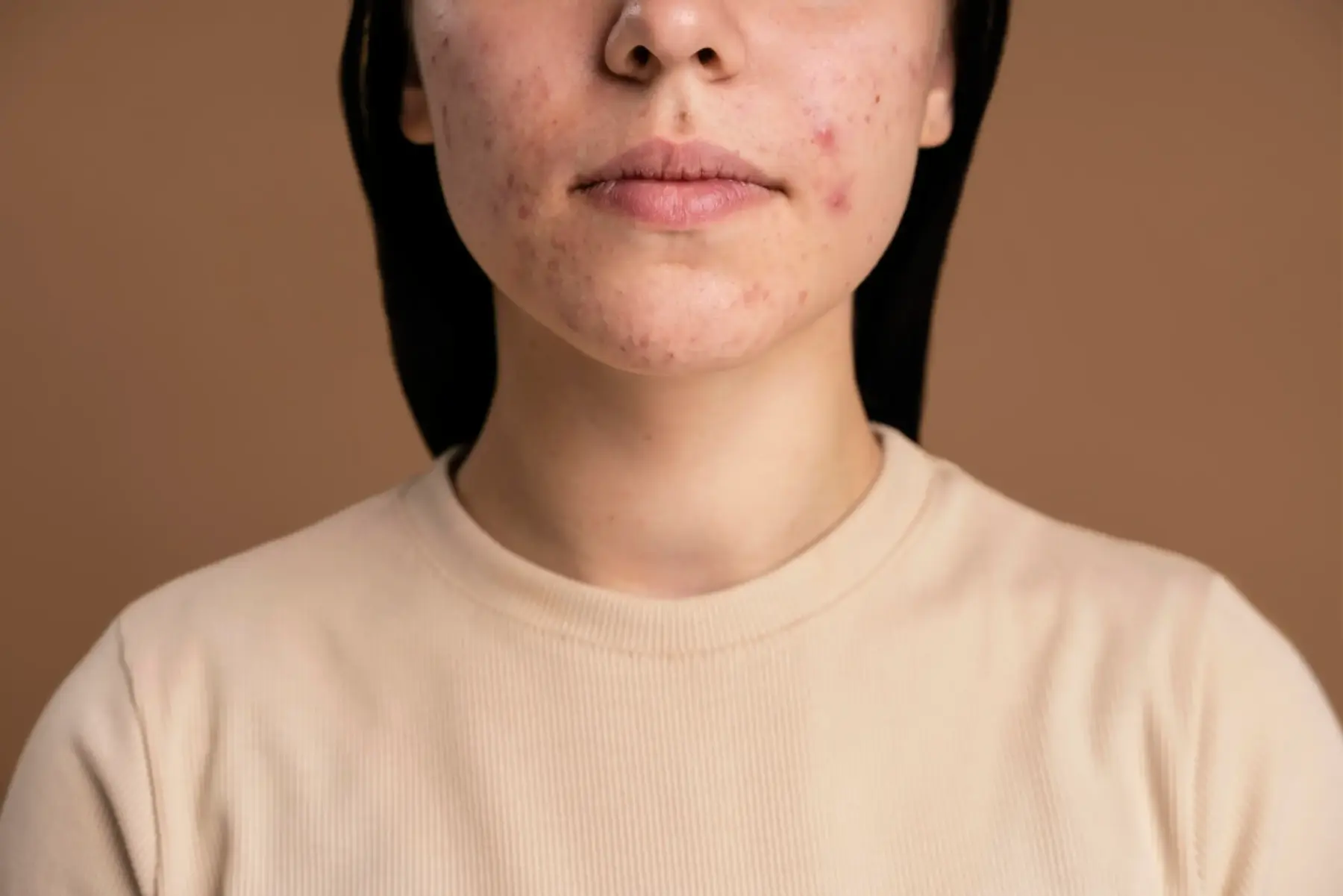
Your acne may have healed, but what about the dents and uneven scars left behind? Pitted acne scars, also known as atrophic acne scars, are one of the most common concerns among people who have experienced severe or inflammatory acne. These scars appear as small depressions in the skin and develop when acne damages the skin’s underlying tissue and collagen. Unlike post-acne marks that gradually fade over time, pitted acne scars involve actual tissue loss. While skincare products cannot completely remove these scars, the right ingredients can help support skin renewal, improve texture, and promote a healthier-looking complexion.0
What Are Pitted Acne Scars?
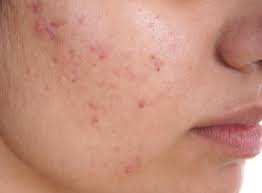
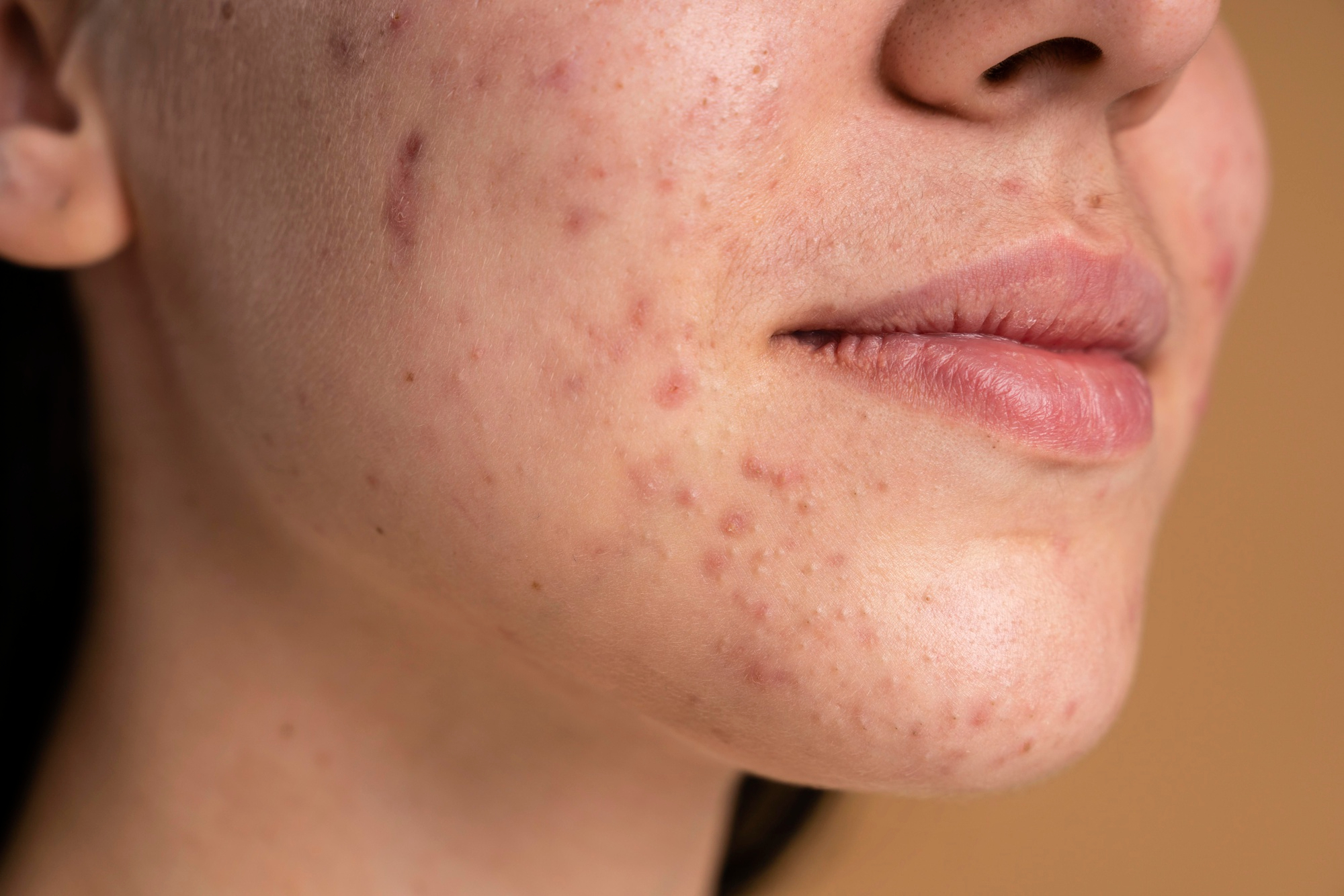
Pitted acne scars form when inflammation from acne damages the deeper layers of the skin. During the healing process, the skin is unable to produce enough collagen to fully repair the damaged tissue, leaving behind visible indentations.
These scars can vary in appearance and are generally categorized into three types.
Ice Pick Scars
Ice pick scars are deep, narrow depressions that look like tiny puncture marks in the skin. They are often the most noticeable type of pitted scar.
Boxcar Scars
Boxcar scars are wider depressions with clearly defined edges. They create a crater-like appearance and are commonly found on the cheeks.
Rolling Scars
Rolling scars create a wave-like texture across the skin, making it appear uneven under certain lighting conditions.
How Can Skincare Support Pitted Acne Scars?
Although skincare cannot completely restore lost tissue, certain ingredients can help improve overall skin texture, support collagen production, encourage skin renewal, and maintain a healthy skin barrier. A consistent routine can help the skin look smoother, healthier, and more refined over time.
Recommended Ingredients and Products
Anua Azelaic Acid Serum
Azelaic acid is a well-known ingredient for improving uneven skin tone and supporting clearer-looking skin. It helps reduce the appearance of post-acne marks while promoting a brighter, more balanced complexion.
Benefits
Helps improve skin clarity
Supports a more even skin tone
Reduces the appearance of post-acne marks
Suitable for acne-prone skin
Celimax Retinol Shot Tightening Booster
Retinol is one of the most effective ingredients for supporting skin renewal and collagen production. With consistent use, it can help improve skin texture and promote smoother-looking skin. Benefits
Supports collagen production
Encourages skin cell turnover
Improves skin texture
Helps refine uneven-looking skin
La Roche-Posay Effaclar Ultra Concentrated Serum
This exfoliating serum helps remove dead skin cells and supports skin renewal, making it a valuable addition to a texture-focused skincare routine.
Benefits of using these products
Gently exfoliates the skin
Supports smoother texture
Encourages healthy skin renewal
Helps improve overall skin appearance
Building a Routine for Scar-Prone Skin
A simple and consistent routine can help support healthier skin
Morning Routine
Gentle Cleanser
Anua Azelaic Acid Serum
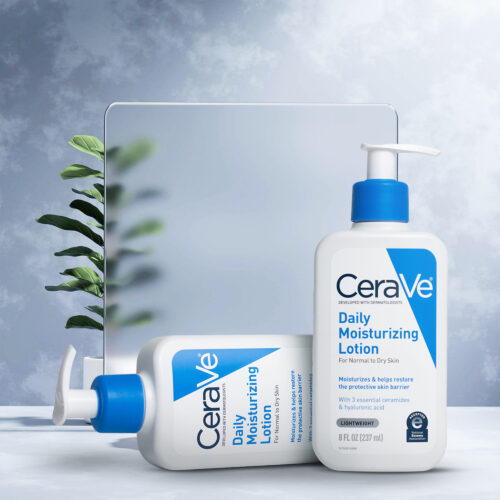
Moisturizer
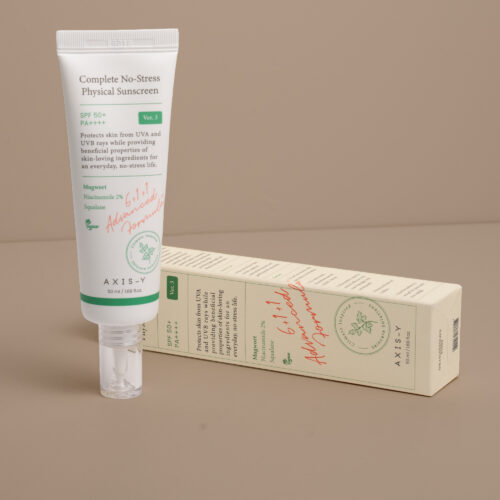
Sunscreen
Evening Routine
Gentle Cleanser
La Roche-Posay Effaclar Ultra Concentrated Serum
Celimax Retinol Shot Tightening Booster
Moisturizer
Pitted acne scars are a common result of inflammatory acne and occur when the skin loses collagen during the healing process. While skincare cannot completely remove atrophic acne scars, ingredients such as azelaic acid, retinol, and exfoliating acids can help improve skin texture, support skin renewal, and promote healthier-looking skin over time. The key is consistency. With the right skincare routine and patience, you can support smoother, more refined, and healthier looking skin.